

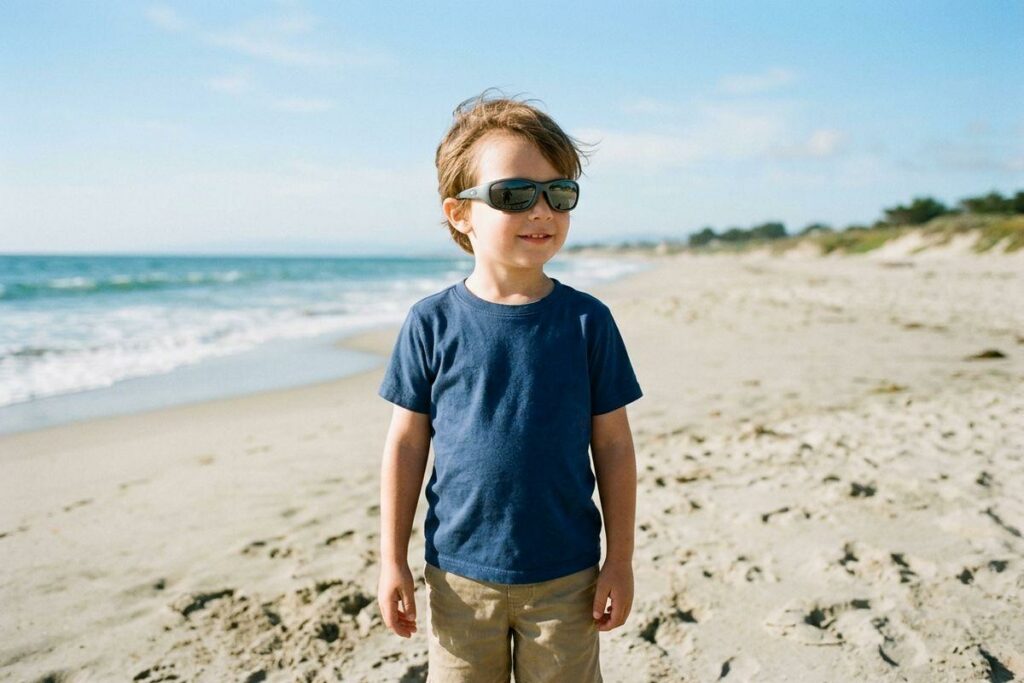
A beach day often calls for slathering on sunscreen, but your eyes may get left out. That’s a problem, because your eyes take in more UV than your skin does, and they don’t have a natural thick layer to shield them. You have to do your part to keep them healthy.
The harm doesn’t show up overnight. It builds quietly over years of squinting through bright afternoons, snowy slopes, and glare off the pavement. This includes winter too, since UV bounces off snow and water just as easily in cold weather as it does in warm. Sunglasses that block 100% of UVA and UVB rays help protect your eyes in every season, and that matters far more than how dark or stylish the lenses look.
Eye Problems Linked to Sun
UV exposure adds up quietly and often shows up years later. Here’s what optometrists look for during a comprehensive exam:
- Cataracts: Prolonged UV exposure changes proteins in the lens, which clouds vision and dulls color over time.
- Age-related macular degeneration: Some research links years of unprotected exposure to a higher risk of AMD, which blurs the central part of your sight.
- Photokeratitis: A sunburn on the cornea, often picked up after a long day around water or snow.
- Pterygium: Sun and wind can prompt fleshy tissue to grow across the white of the eye, sometimes far enough to affect vision. Also known as surfer’s eye.
- Eyelid skin cancers: The thin skin around your eyes is a common site for carcinomas tied to UV.
What to Look for When You Shop
A pair of sunglasses has 2 jobs: block UV and stay comfortable enough that you keep them on.
Start with the label. Reach for 100% UVA and UVB, or UV400, since both describe the same range of blocked rays.
Check the optics next. Hold the frames at arm’s length, look through them at a door frame, then move them slowly. Wavy lines mean the lens quality isn’t there. Coverage matters just as much. Wraparound styles and larger frames stop light from slipping in at the sides.
Run through this list before you purchase your next pair:
- A label reading 100% UVA and UVB, or UV400
- Lenses that stay distortion-free
- Frames wide enough to shield the sides of your eyes
- A fit that stays put when you look down
- A tint you can wear for hours without straining
Polarized versus Regular Lenses
Polarized lenses reduce the glare bouncing off water and wet asphalt. If reflections make you squint on the drive home, you’ll notice the difference right away.
Polarization by itself does nothing for UV, so look for a separate UV label. Paired with one, polarized lenses earn their keep on the water and behind the wheel.
One interesting note: your phone or dashboard screen may look dark through polarized lenses. This could be a problem for drivers, but can also be a way to check to see if your lenses are polarized.
Common Sunglasses Myths
Plenty of sunglasses advice sounds right but misses the mark. Clearing up a few ideas helps you shop with less guesswork.
- Darker lenses don’t mean more protection. A pale tint with a UV400 label beats a dark lens with no UV block.
- A higher price tag doesn’t equal safer eyes. The label tells the real story.
- Colored and mirror lenses look sharp, but they don’t add UV protection unless the tag says so.
Lens Tints and Categories
Tint controls how much visible light gets through, a separate question from UV protection. For the most part, you’ll want tints in categories 3 and 4.
Category 3 suits bright, everyday sun. Category 4 filters intense glare for mountain trips or open water, though it’s too dark to drive in.
Color changes what you see rather than how protected you are. Gray keeps colors looking natural, which is why optometrists often suggest it for driving. Brown and amber sharpen contrast when the light goes flat.
Sun Protection for the Whole Family
Habits set early tend to stick, and young eyes need the help more than most people realize.
A child’s lens is clearer than an adult’s, so more UV reaches the retina. Add a wide-brimmed hat to the sunglasses, which can cut the UV reaching their eyes roughly in half. Comfort decides everything at this age, so let them help pick the frames and bring the pair to their next eye exam for a fit check.
Older adults deserve attention too. Eyes often feel more sensitive to bright light after cataract surgery, and solid coverage keeps afternoons outside pleasant.
UV protection can also go on contact lenses and clear everyday glasses, which keeps your eyes covered on the days your sunglasses stay home.
Where an Optometrist Fits In
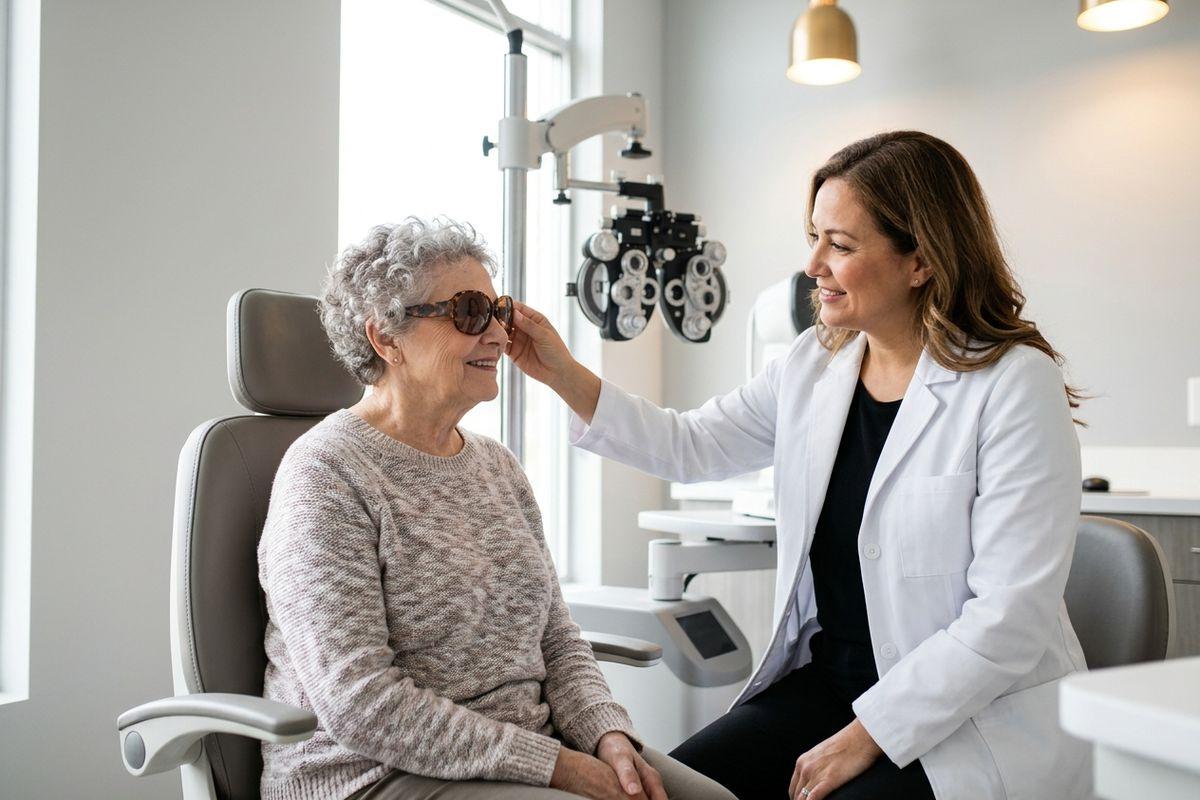
Shopping gets easier with someone who knows your eyes. An optometrist in San Clemente can match lens tint and coverage to your prescription and to how you actually spend your days.
Prescription sunglasses handle sight and sun in a single pair, so you skip the swap every time you step outside.
Step Into the Sun Ready To Go
Check the label and try the fit before you buy. Wear the pair often enough that reaching for it becomes automatic, and you may spare your eyes years of avoidable exposure.
The team at Total Vision Talega helps every member of your family find sun protection that suits their eyes and their routine. Book an appointment and enjoy the bright days ahead with your eyes covered.