

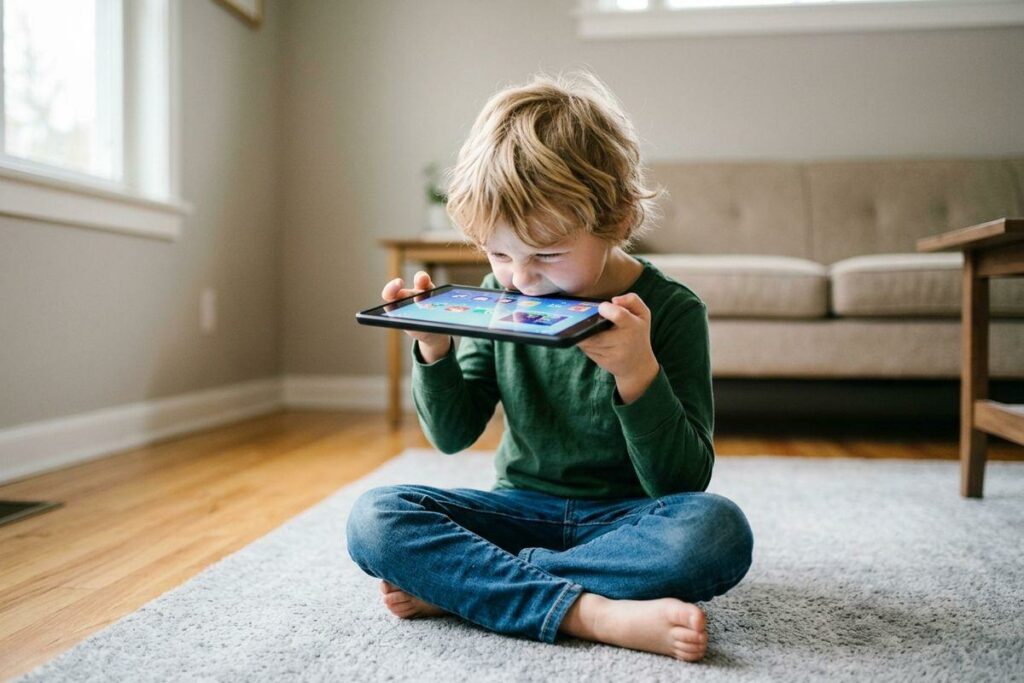
Myopia is becoming more common in kids, and it tends to show up earlier than it used to. If your child squints at the classroom board or holds a tablet close to their face, that’s often one of the first signs. A children’s eye exam can spot these changes early and track them as your child grows.
Early treatment matters because it can slow how fast myopia progresses, which helps protect your child’s vision for years to come. It usually comes down to how the eye itself changes shape as your child grows.
What Myopia Means for Your Child
Myopia, or nearsightedness, happens when the eye grows a little too long from front to back. Light lands short of the retina instead of landing right on it, so distant objects blur while close-up things stay sharp.
Myopia usually starts young and tends to get stronger through the teen years. Glasses sharpen what your child sees today, but they don’t slow the eye’s growth. That’s why the prescription can climb year after year, sometimes even with a new pair every 12 months.
Signs to Watch For
Kids rarely announce that their vision’s blurry. They just adapt around it. Watch for these habits:
- Squinting to read street signs or the classroom board
- Sitting close to screens, books, or the front of the room
- Complaining of headaches or tired eyes after school
- Rubbing their eyes or blinking often
- Losing their place while reading
Why Early Treatment Matters for Long-Term Eye Health
A higher prescription isn’t just about thicker lenses. As the eye keeps stretching, the tissue inside stretches too, and that raises the risk of other eye problems down the road.
Higher levels of myopia are linked to a higher risk of retinal detachment, glaucoma, and cataracts later in life. Slow the rate the prescription grows now, and you help lower those risks for your child’s future.
Think of it as steering your child’s eyes toward a gentler path. The less the prescription climbs during childhood, the better positioned your child’s eyes will be as an adult. That’s the whole idea behind myopia management. It’s not about reversing what’s already happened; it’s about changing the trajectory going forward.
Why More Kids Are Nearsighted Today
More children need glasses at younger ages than a generation ago, and there are few factors of our modern age that explain why.
Family history plays a big part. If one or both parents are nearsighted, your child has a greater chance of developing myopia too.
Daily habits matter just as much. Kids spend more hours on phones, tablets, and homework, and fewer hours playing outside. That constant close-up focus adds strain, while sunlight and distance viewing seem to help the eye develop more evenly.
Treatment Options Your Optometrist Offers
The goal of clearer sight today relies on slowing how fast myopia moves. Your optometrist can walk you through a few approaches and match one to your child’s age, comfort level, and daily routine.
Daily Contact Lenses and Ortho-K
MiSight daily lenses look like regular soft contacts, but they’re designed to help slow myopia progression while your child wears them during the day.
Ortho-K takes a different approach. Your child wears a firm lens overnight that gently reshapes the front of the eye. They take the lens out each morning and often see clearly all day without glasses.
Both options suit active kids who’d rather run, swim, and play without frames sliding down their nose.
Low-Dose Atropine Drops
Low-dose atropine is a small drop placed in the eye at bedtime. Used under your optometrist’s guidance, it can help slow how quickly myopia progresses.
Your optometrist matches the concentration and schedule to your child, then tracks results over time. It’s a simple nightly step that fits easily into a bedtime routine, and most kids barely notice it.
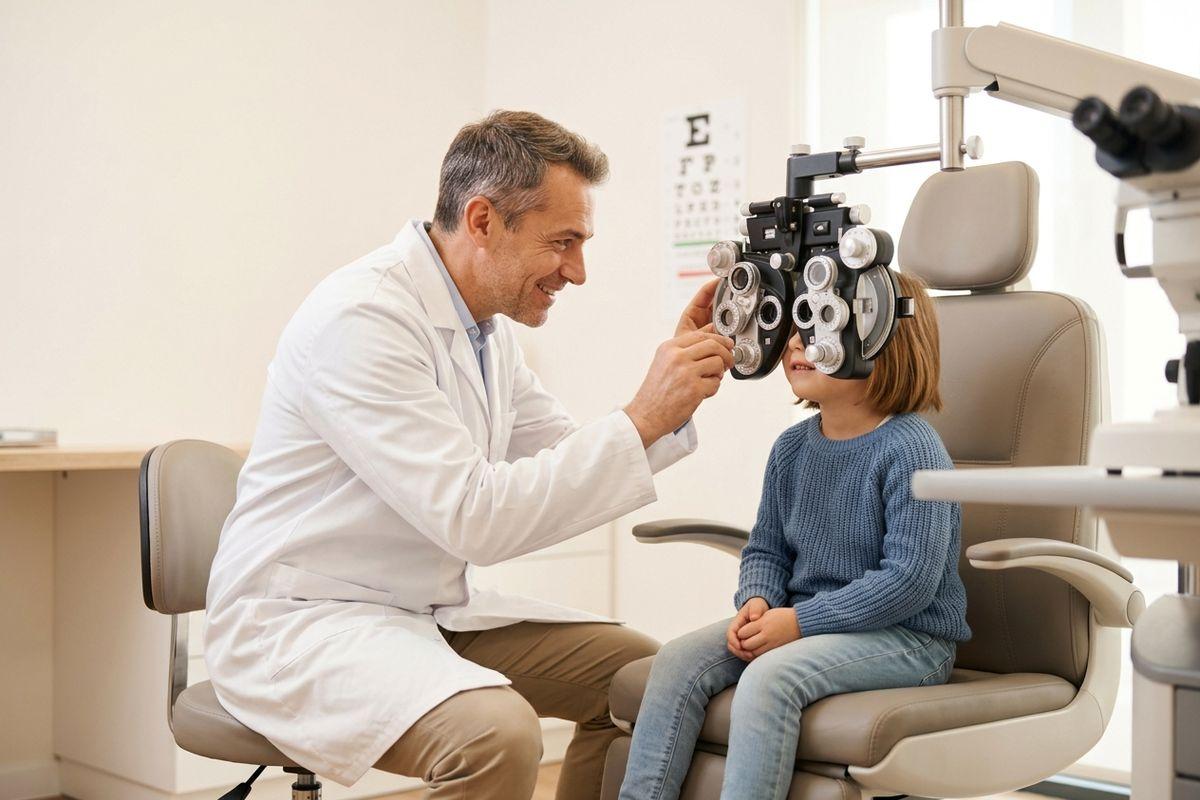
When to Schedule a Myopia Check
Some patterns are worth a closer look. Book an exam if any of these sound familiar:
- The prescription grows stronger each year
- Your child started wearing glasses at a young age
- A parent or sibling has strong nearsightedness
Simple Habits That Support Eye Health
Small daily choices can support your child’s eyes alongside any treatment. Try building these into your routine:
- Time outdoors and active play in natural light
- Screen breaks
- A reading distance of about an arm’s length
- Regular eye exams to track changes early
These habits won’t replace treatment, but they give your child’s eyes a break from hours of close focus. Small routines like these add up over the course of a school year.
Protect Your Child’s Vision, Starting Now
Myopia doesn’t have to keep progressing unchecked. With the right plan, you can help slow its progress and support your child’s vision for years ahead.
Schedule a children’s eye exam with Total Vision Talega, and take the next step toward healthier eyes for your child.