

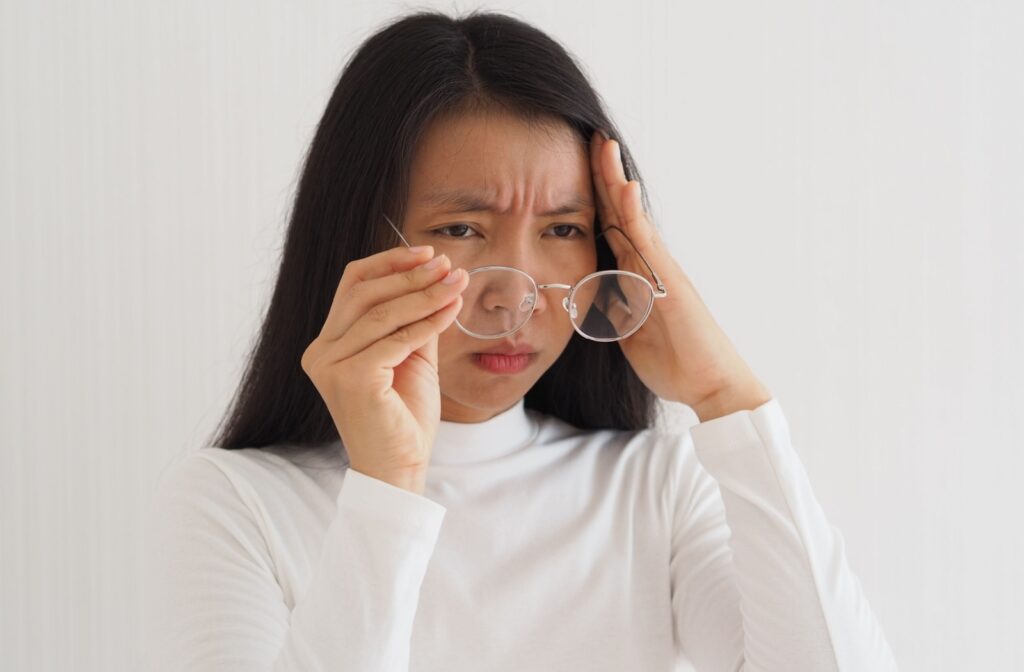
Eye floaters are those tiny specks or cobweb-like strings that drift across your field of vision. They can appear out of nowhere, often when you gaze at something bright, like a clear sky or a computer screen.
While floaters are often benign and simply a part of the aging process, they can sometimes signal more serious eye conditions.
Interestingly, one such condition that has been noted in discussions around eye health is high blood pressure. But does high blood pressure cause eye floaters, or is the connection more complex?
High blood pressure does not typically cause eye floaters directly. However, prolonged or uncontrolled hypertension can damage the delicate blood vessels in the retina, potentially leading to complications that affect your vision.
In some cases, retinal bleeding or conditions such as retinal vein occlusion can cause floaters or other visual disturbances. This means that while floaters aren’t usually a direct symptom of high blood pressure, they can sometimes indicate an underlying vascular or retinal problem.
If you notice new or unusual floaters, an eye examination can help determine their cause. It’s important to talk to your eye doctor if you notice floaters in your vision.
Key Takeaways
- High blood pressure doesn’t typically cause eye floaters directly, but it can damage retinal blood vessels and contribute to conditions that affect vision.
- Hypertensive retinopathy occurs when prolonged high blood pressure damages the blood vessels in the retina.
- Retinal bleeding and complications such as retinal vein occlusion can cause floaters, blurry vision, or other visual disturbances.
- Most floaters are caused by age-related changes in the vitreous, the gel-like substance inside the eye.
- A sudden increase in floaters, flashes of light, or a dark curtain across your vision may indicate retinal detachment and requires immediate medical attention.
What Are Eye Floaters?
Eye floaters are small shapes that some people see drifting through their field of vision. They can look like:
- Black or gray dots
- Squiggly lines
- Threadlike strands
These visual phenomena occur when the vitreous, a gel-like substance in the eye, shrinks and forms clumps or strands inside the eye.
Most commonly, floaters are just a normal part of aging and usually don’t indicate a serious problem. However, they can sometimes result from other eye issues. The vitreous gel inside the eye can change with age, pulling away from the retina and causing floaters.
This is known as posterior vitreous detachment and is generally harmless, but it can be alarming when noticed for the first time.
High Blood Pressure & Eye Health
High blood pressure, or hypertension, is a common condition that can have widespread effects on the body, including the eyes. Known as hypertensive retinopathy, this condition can lead to changes in the eye’s blood vessels, potentially affecting vision.
The eye is highly dependent on a steady supply of blood. When blood pressure is consistently high, it can damage the delicate blood vessels in the retina, the part of the eye that captures images.
This damage can lead to various eye problems and potentially affect how light is processed, sometimes contributing to the sensation of seeing floaters.
While not all eye issues in people with high blood pressure result in floaters, the health of the blood vessels in the eye is crucial for maintaining clear vision.
How High Blood Pressure Affects the Retina
The retina is a layer of tissue at the back of the eye that senses light and sends images to your brain. Damage to the retina from high blood pressure takes place over time and can result in various symptoms, including blurred vision and, in some cases, floaters.
Chronic high blood pressure can cause the walls of the blood vessels in the retina to thicken. This thickening can restrict blood flow, potentially leading to damage to the retina’s blood vessels and resulting in fluid leakage or bleeding into the eye.
It’s this process that can sometimes result in floaters appearing in a person’s vision. In severe cases, untreated high blood pressure can result in retinal vein occlusion, where the veins carrying blood away from the retina become blocked.
This can lead to swelling and bleeding, significantly impacting vision. Regular check-ups with an eye care professional can help catch these changes early, allowing for timely intervention.
What Are the Symptoms of Hypertensive Retinopathy?
Hypertensive retinopathy occurs when prolonged high blood pressure damages the small blood vessels in the retina. In its early stages, it may not cause noticeable symptoms, making routine eye examinations especially important.
As the condition progresses, symptoms may include:
- Blurry or reduced vision
- Double vision
- Headaches accompanied by visual disturbances
- Swelling of the optic nerve or retina in severe cases
- Sudden vision changes if complications develop
Severe hypertensive retinopathy can cause significant vision problems and may indicate dangerously elevated blood pressure. If you experience sudden vision changes alongside a severe headache, chest pain, shortness of breath, or neurological symptoms, seek emergency medical attention.
Other Eye Conditions Linked to High Blood Pressure
High blood pressure is a risk factor for several eye conditions beyond floaters.
- Glaucoma: where increased pressure within the eye can damage the optic nerve and lead to vision loss.
- Macular degeneration: a disease that affects the central part of the retina and can significantly impair vision.
- Diabetic retinopathy: often associated with diabetes, is another condition where high blood pressure can aggravate symptoms, leading to additional complications in eye health.
Other Eye Conditions Linked to Eye Floaters
High blood pressure is not the only potential cause of eye floaters. In fact, most floaters develop because of changes inside the vitreous as you age.
Other possible causes include:
- Posterior vitreous detachment (PVD): As the vitreous shrinks and separates from the retina, small clumps or strands can cast shadows that appear as floaters.
- Retinal tears or detachment: Damage to the retina can cause a sudden increase in floaters, often accompanied by flashes of light or a shadow across your vision.
- Eye inflammation (uveitis): Inflammation inside the eye can release inflammatory cells into the vitreous, appearing as floaters.
- Vitreous hemorrhage: Bleeding into the vitreous can cause sudden floaters, dark spots, or cloudy vision.
- Eye injuries: Trauma can damage structures inside the eye and lead to floaters or other visual disturbances.
New floaters should always be evaluated promptly, particularly if they appear suddenly or are accompanied by flashes of light or changes in peripheral vision.
When to See an Eye Doctor About Floaters
Most people will experience floaters at some point, particularly with aging. However, certain signs suggest a visit to an eye specialist is warranted:
- If eye floaters suddenly increase in number
- If eye floaters are accompanied by flashes of light
- If there is a loss of peripheral vision
Vision changes can indicate retinal detachment or other serious eye conditions that require immediate treatment to prevent vision loss. Eye specialists can perform detailed exams to assess the cause of floaters and determine the appropriate course of action.
Regular eye check-ups are an essential part of maintaining eye health, especially for people with high blood pressure, as they help in the early detection and management of potential eye conditions.
Managing High Blood Pressure for Better Eye Health
Effectively managing high blood pressure is crucial not only for heart health but also for preserving vision. Lifestyle changes play a significant role in controlling blood pressure, such as:
- Adopting a balanced diet
- Engaging in regular physical activity
- Avoiding smoking
Medication can also be necessary to keep blood pressure within a healthy range. Compliance with treatment plans and regular monitoring of blood pressure levels can prevent damage to the blood vessels in the eyes and reduce the risk of associated complications.
Need Help with Eye Floaters?
Although high blood pressure does not directly cause eye floaters, it can contribute to conditions that may lead to their development. Maintaining proper blood pressure control is crucial for safeguarding eye health and avoiding complications.
Regular eye exams, coupled with a healthy lifestyle are important steps in ensuring both general and ocular health. For those concerned about the effect of high blood pressure on their vision, schedule your eye exam with Total Vision Talega.