

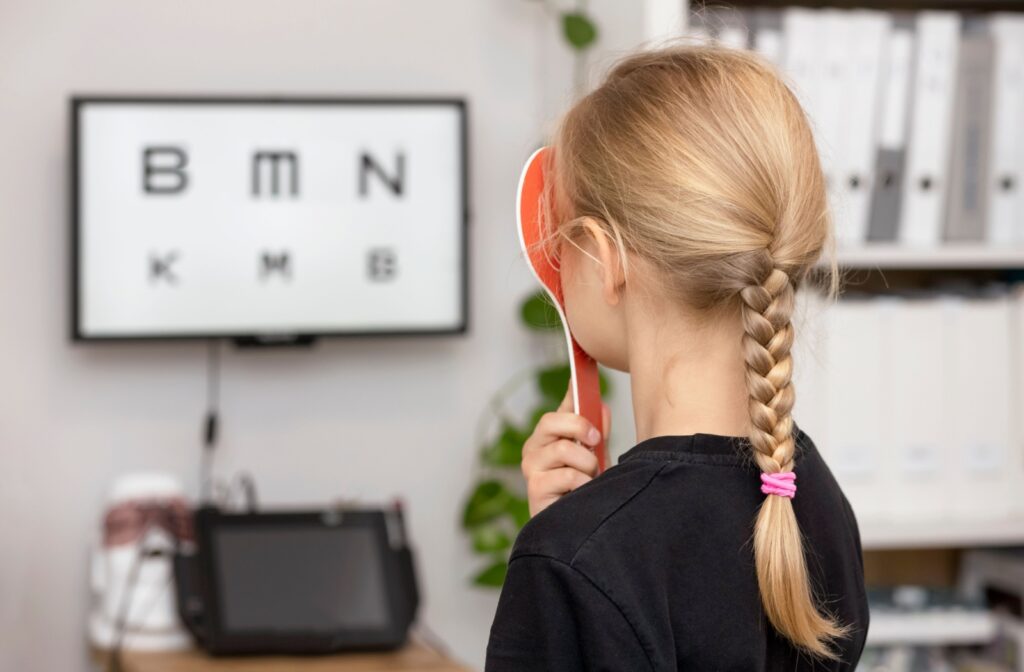
Have you noticed your child squinting at the TV or saying the whiteboard at school looks a bit fuzzy? If so, you’re definitely not alone. Many parents are noticing the same thing, and the team at Total Vision Talega is here to help you navigate it. Nearsightedness (or myopia) is becoming much more common in kids lately, and it’s natural to wonder why this is happening.
It usually comes down to a mix of a few key factors:
- Genetics: If vision runs in the family, it’s more likely to show up in the next generation.
- Close-up tasks: Between tablets, phones, and homework, kids are spending more time than ever focusing on things right in front of them.
- Less outdoor time: Spending time in natural sunlight plays a huge role in how a child’s eyes develop.
Understanding these triggers is the first step in protecting your child’s sight. By staying ahead of it, we can explore myopia management options that help keep their vision clear as they grow.
What Nearsightedness Looks Like in Kids
Nearsightedness, a condition also known as myopia, can show up in subtle ways that are easy to miss. Your child might not even realize their vision isn’t clear because it’s the only way they’ve ever seen. Paying attention to their behavior can give you clues.
Some common signs you might observe in your child include:
- Struggling to see distant objects, like a school bus down the street or players on a sports field
- Frequent squinting or rubbing their eyes to try to see more clearly
- Complaints of headaches, especially after school, which can come from eye strain
How Lifestyle & Environment Affect Your Child’s Vision
Your child’s daily habits and surroundings play a significant part in their eye development. The modern world has changed how children interact with their environment, which can influence how their eyes grow and focus.
More Time Indoors & Near Work
Children today often spend more time than ever focusing on things up close, including reading, homework, and using digital devices. When the eyes are locked on near tasks for long periods, it can cause digital eye strain and encourage the eyeball to lengthen, which is a factor in myopia development.
Less Time Outdoors
Time spent playing outside does more than just burn off energy—it’s also helpful for your child’s eyes. Many eye care professionals believe that exposure to natural daylight supports healthy eye growth. When kids spend most of their time indoors, they miss out on the benefits of natural light and the opportunity to focus on distant objects.
The Role of Family History & Genetics
You may have worn glasses as a child, and now you wonder if your own child will need them too. Myopia often runs in families, so if one or both parents are nearsighted, a child has a greater chance of developing it—and potentially high myopia, which carries other risks. Genetics can predispose to nearsightedness.
However, genes are only one piece of the puzzle. Your child’s lifestyle habits interact with their genetic background. This means that even with a family history of myopia, you can still take positive steps to support their vision.

Simple Ways to Support Your Child’s Eye Health
You can make small adjustments to your child’s daily routine to promote healthy vision. These simple habits can make a real difference in slowing the progression of myopia and supporting their long-term eye health.
Here are a few practical ideas:
- Encourage at least 90 minutes of outdoor play each day.
- Remind your child to take frequent breaks from screens and books—the 20-20-20 rule is a good guideline.
- Set up a comfortable, well-lit space for reading and homework to reduce eye strain.
Why Regular Eye Exams Are a Powerful Tool for Parents
The most direct way to protect your child’s vision is through regular, comprehensive eye exams for children. A check-up goes beyond a simple vision screening at school. It allows a professional to get a complete picture of your child’s eye health and development.
An eye exam can detect subtle changes in your child’s vision early on. It also creates a record to track their eye growth over time. Information helps you and your eye doctor in San Clemente make informed decisions about your child’s visual needs and discuss any available management options.
At Total Vision Talega, the team offers eye exams for the entire family, using modern equipment to provide a clear look at your child’s visual health. Schedule an appointment to lay the foundation for your child’s lifetime of healthy sight.